Baby Chimpanzee: A Designer’s Review for Craft Fairs
As an embroidery designer who has spent countless weekends behind a booth table, I know that not every machine embroidery design translates into a bestseller. Some designs look beautiful on a screen but fail to capture attention in the chaotic environment of a handmade market. Today, I am reviewing the Baby Chimpanzee design, evaluating its potential as a high-converting craft fair product for sellers, Etsy shop owners, and boutique makers.
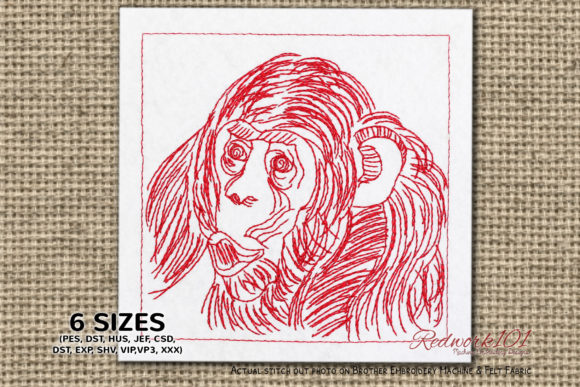
The first impression of this piece is striking. Described as cute and unusual, this superb redwork embroidery of a baby chimpanzee adds a wild character to creations. In a sea of generic florals and standard monograms, a Wild Animals theme executed in redwork offers a distinct visual break. Redwork, traditionally known for its single-color elegance, gives this design a vintage yet modern appeal. It feels rustic, slightly whimsical, and undeniably eye-catching. For a seller, this means the design does not need to shout to be heard; its uniqueness does the heavy lifting.
Visual Appeal and Booth Presence
When setting up a table display, visual hierarchy is everything. The Baby Chimpanzee works exceptionally well because it is bold in its simplicity. Unlike complex multi-color designs that can look muddy from a distance, redwork relies on strong line work and contrast. This makes it highly visible even from three feet away. Customers walking past your booth will notice the stark contrast of red thread against natural linen or crisp white cotton immediately.
This design fits seamlessly into several aesthetic categories. It feels at home in farmhouse-style displays, rustic nurseries, and modern minimalist collections. For Etsy sellers creating printable mockups, the clean lines of the chimpanzee allow for easy integration into lifestyle images. Whether placed on a neutral background or styled with wooden props, the design maintains its integrity. It suggests a level of handmade quality that buyers associate with premium, thoughtful craftsmanship rather than mass-produced goods.
Product Versatility for Handmade Markets
The true test of any embroidery file is its versatility. Can it survive on different fabrics? Does it scale well? The Baby Chimpanzee shines across a variety of small shop products. Here is how it performs on key items:
- Tote Bags: A tote bag design needs to be recognizable and durable. Placing the chimpanzee centrally on a canvas tote creates an instant statement piece. The redwork style ensures the stitching remains flat, preventing the bag from becoming bulky or difficult to fold.
- Aprons and Tea Towels: For kitchenware, this design adds a touch of humor and charm. Apron embroidery benefits from the playful nature of the subject, while tea towel embroidery looks elegant when positioned in the corner. The single-color approach simplifies production, allowing for faster batch creation.
- Embroidered Patches: If you offer accessories, this design makes a fantastic embroidered patch. The clear outlines of the chimpanzee hold up well when cut out and applied to denim jackets or backpacks. It appeals to a younger demographic looking for unique, non-generic accessories.
- Caps and Headwear: Curved surfaces are tricky. However, because redwork typically has lower stitch density than filled satin stitch designs, it sits flatter on fabric. This reduces puckering on caps, making it a viable option for headwear if stabilized correctly.
The description notes that the Box Stitch shown in the picture is optional. This is a crucial feature for product diversification. With the box, the design feels framed and complete, suitable for pillow covers or wall art. Without the box, it becomes more organic and flexible, ideal for scattered patterns on market bags or as part of a larger collage on a quilt.
Production Practicality and Efficiency
For commercial embroidery and small business owners, time is money. One of the strongest selling points of the Baby Chimpanzee is its efficiency. Redwork designs generally use less thread and require fewer color changes. This means less machine downtime for thread swaps and lower material costs per unit. For a weekend craft fair, where you might need to produce fifty units of a popular item, this efficiency is invaluable.
However, practical execution requires attention to detail. While the design is simple, it is not without technical considerations. You must check the stitch density relative to your chosen fabric. On lightweight fabrics like voile or thin cotton, ensure you use an appropriate stabilizer to prevent distortion. The "wild character" of the design relies on crisp lines; if the fabric shifts, the chimpanzee may look warped rather than cute.
Additionally, consider the thread colors. While red is traditional for redwork, do not be afraid to experiment. Deep navy, forest green, or charcoal grey can modernize the look for different target audiences. Always test the design on scrap fabric before committing to your final inventory. Check how the thread interacts with the fabric texture. Textured towels, for example, may obscure fine details, so ensure the lines of the chimpanzee are thick enough to remain visible against the pile of the towel.
Strategic Selling and Customer Engagement
How does this design affect buyer engagement? In my experience, unique animal designs spark conversation. A customer might stop to comment on the "cute monkey," giving you the opening to discuss your process, your materials, and your brand. This personal connection is what drives sales at craft fairs. The Baby Chimpanzee is not just a product; it is a conversation starter.
For online listings, such as those on Etsy, the design photographs beautifully. The high contrast allows for sharp, clear images that load quickly and look professional. When creating design assets for your shop, use close-up shots to highlight the stitch quality. Show the design on multiple products to demonstrate its versatility. Mention that it is a digital embroidery file available for purchase if you sell patterns, or highlight the handmade nature if you sell finished goods.
It is also important to address the commercial aspect. Before selling any finished product, confirm the licensing terms of the embroidery file. Ensure you have the right to use the design for commercial purposes. This protects your business and builds trust with your customers.
Designer Notes for Best Results
To maximize the potential of the Baby Chimpanzee, follow these practical steps:
- Test on Scrap Fabric: Never skip this step. Verify that the hoop size matches your intended product dimensions.
- Check Thread Contrast: Ensure the thread color stands out against the fabric. Dark fabrics may require lighter thread colors if you deviate from traditional redwork.
- Review Spacing: If adding text or other elements, maintain adequate spacing to avoid clutter. The chimpanzee should remain the focal point.
- Inspect Stitch Density: Adjust tension if necessary to prevent looping or breaking, especially on curved surfaces like caps.
- Create Real Mockups: Photograph the actual stitched item rather than relying solely on digital renderings. Buyers want to see the texture and reality of the handmade product.
In conclusion, the Baby Chimpanzee is a strong contender for any embroidery business looking to expand its Wild Animals collection. Its blend of cuteness, simplicity, and visual impact makes it a versatile asset for tote bags, aprons, patches, and more. By focusing on quality production and strategic display, this design can become a staple in your craft fair lineup, driving both attention and sales.