Spider Web Frame: A Designer's Review for Halloween Projects
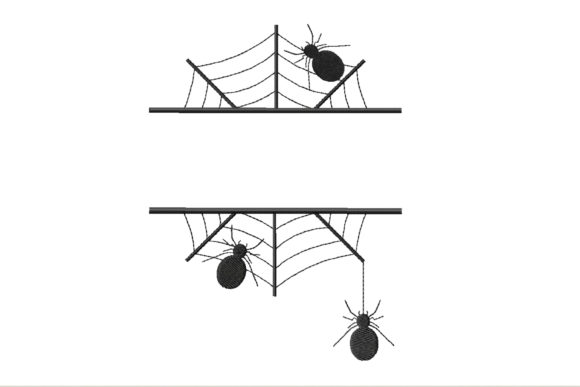
As someone who spends more time staring at stitch maps than most people spend looking at actual art, I approach every new machine embroidery design with a mix of skepticism and curiosity. When I first loaded the Spider Web Frame onto my screen, my immediate reaction wasn't just about the spooky theme; it was about the structural integrity of the frame itself. In the world of commercial embroidery and handmade goods, a frame isn't just a border—it's the anchor that holds the entire composition together. This design promises to help create personalized spooky designs for tote bags, clothing, and home decor, but does it hold up under the needle?
First Impressions: Mood and Layout
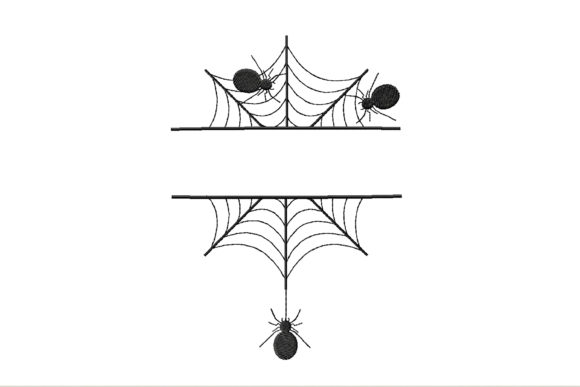
The visual personality of the Spider Web Frame is instantly recognizable. It captures that classic Halloween aesthetic without feeling cartoonish or overly juvenile. The layout suggests a circular or oval containment, which is perfect for framing monograms, dates, or small central motifs. What stands out to me as a designer is the balance between the negative space and the stitched areas. A common pitfall in web-themed designs is excessive density, which can turn a delicate web into a solid puckered mess. From the preview, this embroidery file appears to utilize a strategic mix of running stitch for the finer strands and potentially denser fills for the outer edges or accent spiders, creating a nice textural contrast.
The mood it creates is eerie yet elegant. It's not screaming "scary movie"; it's whispering "haunted boutique." This subtlety makes it incredibly versatile. It feels like a design that belongs on a high-end tote bag design for a local coffee shop's October special just as much as it does on a child's sweatshirt embroidery project. The shape invites the eye inward, making it an excellent candidate for personalization, which is where the real value for Etsy sellers and craft business owners lies.
Real-World Application: The Tote Bag Test
To truly evaluate this piece, I imagined a specific real-life scenario: preparing a custom order for a client who runs a small bookstore. They wanted a limited-run handmade product for their Halloween event—canvas tote bags featuring their shop's name framed by something seasonal. The Spider Web Frame seemed like the perfect fit.
In this context, the design performs well because it acts as a container. If you were stitching this directly onto a canvas tote, the frame provides a defined area that hides potential fabric inconsistencies while drawing attention to the central text. However, one must consider the fabric texture. Canvas has a weave that can sometimes interfere with fine running stitch details. For a project like this, I would strongly advise using a cut-away stabilizer rather than tear-away. The tension of a web pattern can pull on loose-weave fabrics, and you want your finished product to lay flat, not ripple like an actual spiderweb in the wind.
For custom apparel, such as a black hoodie or a dark grey tee, the contrast becomes key. The description mentions multiple options, likely referring to thread color adaptability. While orange and black are the obvious choices for holiday embroidery, don't sleep on metallic silver or deep purple threads. Using a non-traditional color palette can elevate this from a seasonal novelty to a year-round gothic fashion statement, expanding your market beyond just October.
Technical Considerations and Fabric Challenges
While the design is promising, there are areas where caution is required. Any design with long spans of thread, like a web, is susceptible to sagging if the stitch density isn't optimized for the specific material. If you are working on stretchy fabric, like a jersey knit for baby embroidery items, you must be vigilant. A web frame on a onesie could distort after a few washes if the stabilizer isn't robust enough. I always recommend testing the design on scrap fabric of the same weight and stretch before committing to a client's garment.
Furthermore, consider the hoop size. Frames often push the limits of the hoop perimeter. Ensure that your machine's maximum hoop capacity can accommodate the full width of the Spider Web Frame without cutting off the outer strands. Nothing ruins a small shop product faster than a clipped design edge. Also, be mindful of curved surfaces. While this might look great on a flat pillow cover, stitching a detailed frame on a cap requires careful positioning to ensure the web doesn't warp around the crown's curve.
If you plan to use this for an embroidered patch, the density settings become even more critical. Patches require tight stitching to prevent fraying when cut. Check if the design includes a satin stitch border or if you need to add one digitally before stitching. The current description implies versatility, but patches often need a different file setup than direct-to-garment stitching.
Enhancing Brand Value and Customer Trust
From a business perspective, the Spider Web Frame offers more than just a pretty picture; it offers branding consistency. For digital product sellers creating printable mockups, this design adds immediate seasonal relevance to their portfolios. For physical producers, it signals professionalism. A clean, well-stitched frame around a customer's name on a personalized gift shows attention to detail. It tells the buyer that you didn't just slap a generic image on a shirt; you curated a look.
Customer trust is built on the quality of the finished product. If the web strands break or pucker, it reflects poorly on your brand. Therefore, inspecting small details before production is vital. Look at the corners of the web in the preview. Are the turns sharp or rounded? Do they look like they will bunch up? These micro-decisions in the digitizing process determine whether your Etsy listing gets a five-star review or a return request.
Practical Notes for the Studio
Before you start stitching batches of these for the holiday rush, here is a checklist to ensure success:
- Test First: Always stitch a sample on scrap fabric identical to your final material to check for puckering.
- Thread Contrast: Experiment with thread colors against both light and dark backgrounds. A white web on black fabric pops, but a tonal grey-on-grey can be sophisticated.
- Stabilizer Choice: Match your stabilizer to the fabric weight. Heavy fabrics need heavy support; delicate fabrics need gentle but firm backing.
- License Verification: The product description notes it comes with multiple options, but always confirm the licensing terms. Can you sell the digital embroidery file itself, or only the physical handmade product? Clarify this to avoid legal issues in your craft business.
- Mockup Testing: Create black and white mockups to see how the design reads without color distraction. This helps assess the clarity of the lines.
In conclusion, the Spider Web Frame is a strong contender for your autumn catalog. It bridges the gap between festive fun and design sophistication. Whether you are decorating a kitchen towel, branding a boutique tote, or creating a unique holiday gift, this design has the potential to perform beautifully—if treated with the technical respect it deserves. By paying attention to fabric choice, stabilization, and stitch quality, you can turn this digital asset into a tangible revenue stream that customers will love.