Cranium One Line: A Designer’s Honest Review
As an embroidery designer who spends countless hours digitizing and stitching, I am always on the lookout for designs that balance artistic flair with technical reliability. When I first encountered Cranium One Line on Creative Fabrica, I was immediately drawn to its minimalist yet striking aesthetic. In the world of machine embroidery, simplicity can often be harder to execute than complexity. A single continuous line requires precision in digitizing to ensure the flow remains unbroken and visually appealing. This review explores whether this specific design holds up under the scrutiny of real-world production, particularly for those of us running small businesses or creating high-end handmade gifts.
First Impressions and Visual Mood
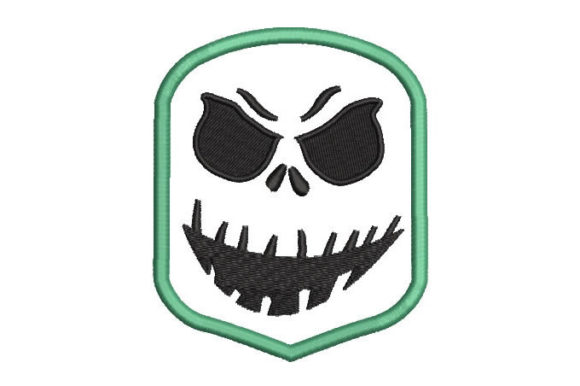
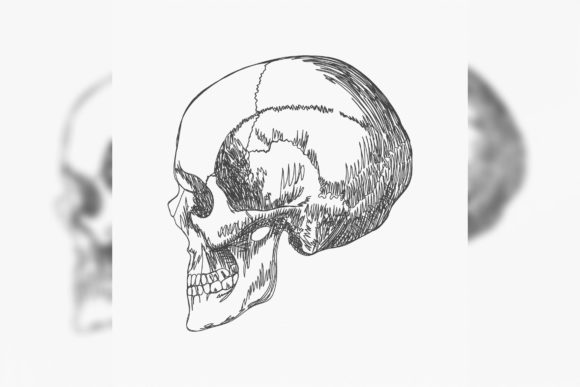
The immediate appeal of Cranium One Line lies in its modern, graphic quality. Unlike traditional skull motifs that rely heavily on shading and dense fill stitches, this design utilizes a continuous path to outline the structure of the cranium. This approach gives it a contemporary edge, making it suitable not just for seasonal themes but for year-round alternative fashion and decor. The "one line" technique creates a sense of movement and fluidity, which is rare in static embroidery files. For Halloween embroidery, this is a refreshing departure from the typical spooky clichés. It offers a cool, realistic vibe that feels more like modern art than a costume accessory.
When considering this for a project, the visual mood is versatile. It can be eerie when stitched in stark white on black fabric, or playful and vibrant when using contrasting neon thread colors. This flexibility is crucial for designers who need to adapt a single asset across multiple product lines. The level of detail is sufficient to be recognizable as a cranium without becoming so intricate that it loses clarity at smaller sizes. This balance is key for a successful digital embroidery file.
Performance in Real-World Projects
I evaluated Cranium One Line with several potential applications in mind, ranging from custom apparel to home decor. Here is how it performs across different mediums:
- Custom Apparel and Sweatshirts: The design shines on sweatshirt embroidery. The open nature of the one-line style prevents the heavy, stiff feel that dense fill stitches can create on garments. It sits nicely on the chest or back of a hoodie without adding excessive weight.
- Tote Bag Design: For canvas tote bags, this design offers a bold statement. Because it relies on outline work, it stitches out quickly, which is beneficial for production runs. The contrast between the thread and the natural canvas color creates a high-impact look that appeals to boutique merchandise buyers.
- Embroidered Patches: This is perhaps the strongest use case. The continuous line works exceptionally well for iron-on or velcro-backed patches. It allows for clean edges and easy cutting around the design. Whether used on jackets, caps, or bags, a patch featuring this cranium adds a professional, edgy touch.
- Kitchen Towels and Aprons: For seasonal handmade gifts, stitching this on kitchen towels adds a subtle nod to Halloween without being overwhelming. The simplicity ensures it doesn't clash with other patterns in a home setting.
For Etsy sellers and creative entrepreneurs, the versatility of this design means you can create a cohesive collection. You might offer it on a dark t-shirt, a neutral tote, and a set of coasters, maintaining brand consistency while appealing to different customer preferences. The visual appeal translates well into product photography, where the clean lines stand out against textured backgrounds.
Technical Considerations for Stitching
While the design is aesthetically pleasing, practical execution requires attention to detail. As with any machine embroidery design, understanding the technical requirements is vital for a high-quality finished product.
Fabric and Stabilizer Selection: Since this is a line-based design, the choice of stabilizer is critical. On stretchy fabrics like jersey knits for t-shirts, a cut-away stabilizer is recommended to prevent distortion over time. For woven fabrics like cotton tote bags or aprons, a tear-away stabilizer may suffice, but testing is essential. The stitch density appears moderate, but because it is a continuous line, any puckering will be visible along the path. Always test on scrap fabric before committing to your final material.
Thread Colors and Contrast: The product description notes that it is perfect when stitched with contrasting colors. This is accurate. To maximize the impact of the one-line style, choose a thread color that stands out sharply against your fabric. White on black, gold on navy, or bright orange on charcoal are excellent combinations. If you attempt low-contrast combinations, the detail may get lost, especially from a distance. Check thread color contrast carefully during your mockup phase.
Hoop Size and Placement: One advantage of this design is its scalability. However, you must confirm the hoop size compatibility provided in the file details. While it likely fits in standard 4x4 or 5x7 hoops, always check the specific dimensions on the Creative Fabrica product page. For curved surfaces like caps, ensure the design size is appropriate for the cap's front panel to avoid wrapping around the sides, which can cause threading issues.
Stitch Types: The design primarily utilizes running stitch or satin stitch elements to create the line effect. Ensure your machine is threaded correctly and that your tension is balanced. Uneven tension can cause the line to look jagged rather than smooth. Inspect small details after stitching to ensure the start and end points are tidy, as these can sometimes be visible in one-line designs if not properly secured.
Commercial Viability and Brand Value
For small business owners and commercial embroidery operators, Cranium One Line offers significant value. Its modern aesthetic appeals to a demographic that might not traditionally buy Halloween items, expanding your potential customer base. The design’s simplicity allows for faster stitching times compared to complex fill-heavy designs, which can improve your profit margins on custom orders.
Using high-quality design assets like this enhances buyer trust. Customers associate clean, precise embroidery with professional craftsmanship. When you present a finished product with crisp lines and no puckering, it reinforces the perceived value of your handmade product. This is particularly important for personalized gifts and boutique merchandise where presentation is everything.
Furthermore, the design works well for printable mockups. Before you even stitch a single thread, you can visualize how the cranium will look on various products. This helps in marketing your items on social media and online marketplaces, driving customer engagement before the item is even made.
Final Verdict and Best Practices
In conclusion, Cranium One Line is a strong addition to any embroidery designer’s library, particularly for those focusing on modern, alternative, or seasonal themes. It bridges the gap between spooky and stylish, making it a versatile tool for fall collections and beyond. However, success depends on proper execution.
- Check File Details: Before downloading, review the product page on Creative Fabrica for specific file formats, hoop sizes, and stitch counts. Ensure compatibility with your machine.
- Test Stitch: Always run a test on similar fabric to check for puckering or thread breaks.
- Licensing: Confirm the license terms on the Creative Fabrica product page before selling finished items. Most designs allow for commercial use of physical products, but digital resale is typically prohibited.
- Experiment with Colors: Don’t limit yourself to traditional Halloween palettes. Try metallic threads or variegated threads to add depth to the single line.
If you are looking for a reliable, stylish, and efficient design for your next sewing project, Cranium One Line is worth considering. It offers the creative freedom to produce unique, high-quality embroidered items that stand out in a crowded market. Just remember that the best results come from combining great design with careful technical preparation.