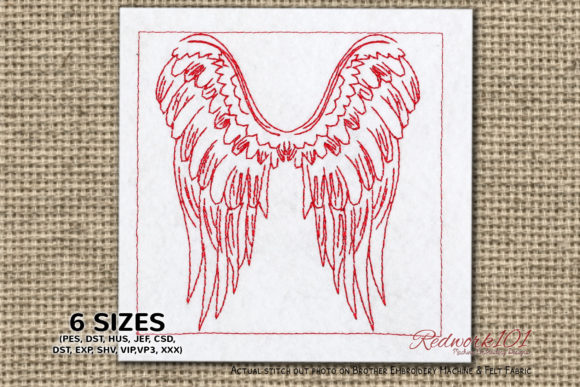
JHS Liturgical Ornaments: A Designer's Review for Brand Merch
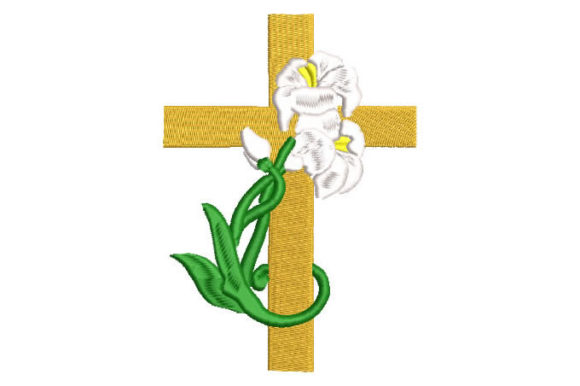
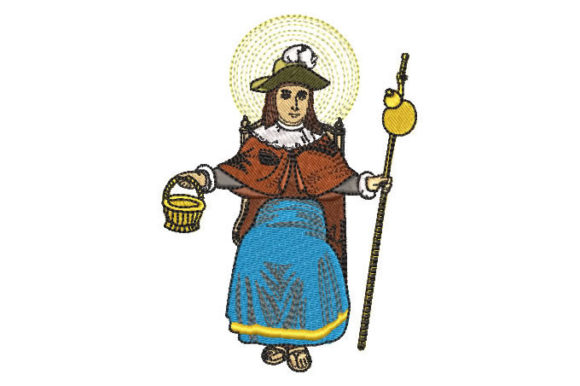
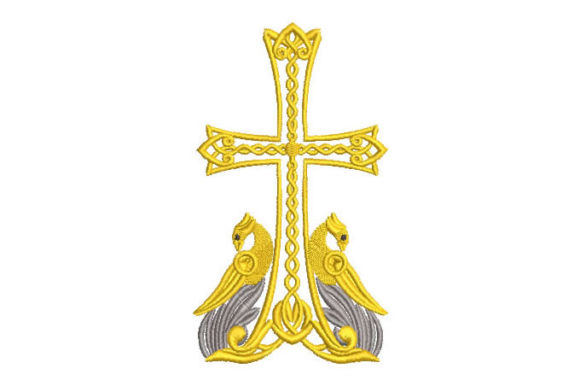
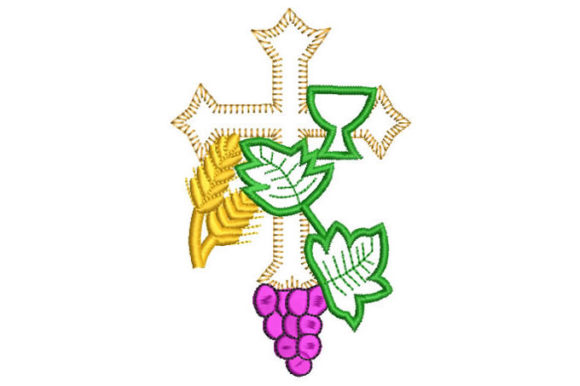
As an embroidery designer who spends most of my days digitizing logos and troubleshooting stitch-outs for small businesses, I approach every new machine embroidery design with a critical eye. It is not just about whether the artwork looks pretty on a screen; it is about how that digital embroidery file translates into a tangible finished product that elevates a brand. Recently, I have been evaluating the JHS Liturgical Ornaments collection to see how these intricate motifs can serve beyond their intended religious context. While the product description highlights its suitability for church clothing and decorations, my focus is on its potential as a versatile asset for small business merch, boutique branding, and custom apparel.
First Impressions: Elegance Meets Tradition
The first thing that strikes me about JHS Liturgical Ornaments is the inherent sense of premium quality. The title itself suggests a connection to tradition, history, and sacred artistry. Visually, these designs feel elegant, classic, and deeply decorative. They carry a weight of authority and trustworthiness that is often hard to achieve with modern, minimalist logos. For a small business owner, incorporating this level of detail into a brand identity can instantly signal craftsmanship and attention to detail. Whether you are running a high-end bakery, a florist specializing in wedding arrangements, or a handmade jewelry studio, the aesthetic of JHS Liturgical Ornaments offers a rustic yet refined look that appeals to customers seeking authenticity.
However, elegance in design often comes with technical challenges in execution. The intricate nature of liturgical art implies complex curves and potentially high stitch density. As a designer, my immediate thought is to verify how these details hold up when scaled down for an embroidered patch or a subtle chest logo. The beauty of these ornaments lies in their detail, but in the world of commercial embroidery, less is sometimes more when it comes to durability and readability.
Real-World Applications for Small Business Branding
Let us move beyond the theoretical and discuss where JHS Liturgical Ornaments can actually shine in a commercial setting. The versatility of this embroidery file allows it to be adapted for various industries that value heritage and quality.
- Staff Uniforms and Aprons: For a boutique café or an artisanal bakery, stitching these ornaments onto the corner of a linen apron embroidery project adds a touch of sophistication. It transforms a standard uniform into a statement piece that reflects the care put into the food or service.
- Custom Caps and Headwear: A simplified version of the ornament could work beautifully on the side panel of a dad hat or a structured cap. This cap embroidery application creates a subtle brand mark that feels exclusive rather than overtly promotional.
- Tote Bags and Packaging: In the realm of retail, a tote bag design featuring these ornate elements can turn a simple carry-all into a coveted accessory. It serves as a walking advertisement for the brand, suggesting that the contents are equally precious.
- Event Merchandise: For workshops, retreats, or exclusive product launches, using these designs on limited-run merchandise creates a sense of occasion. They function perfectly as commemorative assets that attendees will want to keep.
The key to success here is positioning. By using JHS Liturgical Ornaments, a brand borrows the visual language of established institutions, thereby boosting brand identity and customer trust. It tells the consumer that this business respects tradition and values quality, which can significantly enhance product value and buyer engagement.
Technical Considerations and Potential Pitfalls
While the artistic merit of JHS Liturgical Ornaments is clear, a professional review must address the technical realities of production. Not every surface is suitable for high-detail work. If you are planning to use this design on textured fabrics like heavy canvas or rough denim, the fine lines may get lost or cause puckering. Similarly, dark uniforms require careful selection of thread colors to ensure the design pops without losing its definition.
There are specific scenarios where caution is advised:
- Small Patch Sizes: If you intend to create a small embroidered patch under 2 inches, the intricate details of liturgical art might merge together. It is crucial to test the design at the intended size to ensure clarity.
- Curved Surfaces: Embroidering on the front of a curved cap requires precise registration. Complex outlines can distort if the fabric shifts during stitching.
- Frequent Washing: Items like staff aprons or work shirts undergo rigorous washing cycles. High stitch density can make the fabric stiff or prone to tearing over time if not properly stabilized.
Furthermore, the product description notes that this is a high-quality design perfect for church clothing, but it does not specify exact stitch counts or recommended hoop sizes. Before committing to a large production run of commercial embroidery projects, you must verify these technical specifications. Assuming the file is optimized for all machines without testing is a recipe for wasted thread and frustrated clients.
Designer Notes for Successful Implementation
To ensure that JHS Liturgical Ornaments performs flawlessly in your shop, I recommend following a strict protocol before offering it as part of your design assets portfolio. Here are my practical notes for fellow designers and business owners:
First, always test it in black and white first. This removes the distraction of color and allows you to see if the contrast and spacing are sufficient for the design to be readable. Next, check if it works at small patch size by stitching a sample on scrap fabric identical to your final material. Pay close attention to the stabilizer you use; intricate designs often require a cut-away stabilizer to maintain shape over time, especially on stretchy fabrics.
You should also review thread color contrast meticulously. Liturgical designs often rely on subtle shading, which may need adjustment when translating from screen to thread. Inspect spacing between elements to prevent thread breaks or bird-nesting. Confirm the hoop size required versus the size of your garment area; do not force a large design into a small hoop, as this leads to distortion.
Always test on real fabric before showing a client. A printable mockup is useful for visualization, but nothing replaces a physical stitch-out. Create a mockup for client approval that includes close-ups of the stitch quality. Compare it beside other design assets in your collection to ensure visual consistency across your brand offerings. Finally, and perhaps most importantly, confirm commercial licensing before business use. The description mentions multiple file formats, but you must ensure the license permits resale or use on goods for profit, especially given the religious nature of the imagery.
Final Verdict on Brand Value
In conclusion, JHS Liturgical Ornaments represents a powerful tool for small business owners looking to distinguish their handmade product lines. When used correctly, it enhances professionalism and creates a visual consistency that resonates with customers seeking quality. However, it demands respect for the medium of Embroidery. It is not a "drop-and-stitch" solution but rather a premium element that requires thoughtful integration into your custom apparel and merchandise strategies. By adhering to best practices in digitization and production, you can leverage these timeless designs to build a brand identity that stands the test of time.