Massage Therapist at Work: A Designer's Review
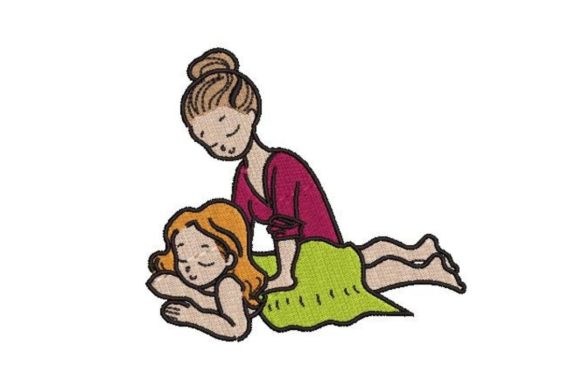
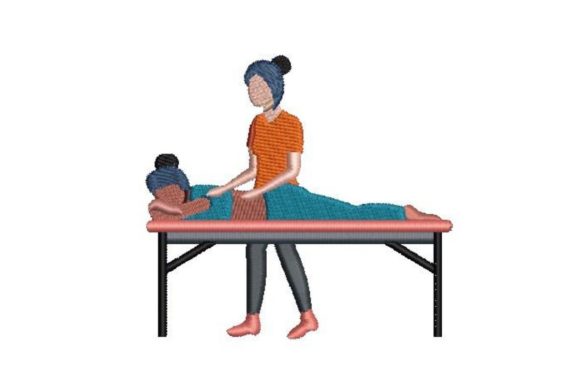
As an embroidery designer who spends weekends behind a craft fair booth, I know that the difference between a browsing customer and a buyer often comes down to one thing: immediate visual recognition. When I pulled up the Massage Therapist at Work machine embroidery design to evaluate it for my upcoming market lineup, I wasn't just looking at pixels on a screen. I was imagining how this digital embroidery file would translate into tangible, sellable goods. The product description promises a "stylish look" for working uniforms, but for us handmade shop owners and Etsy sellers, the real question is whether this design has the versatility to move beyond a simple uniform and become a star product on a retail table.
First Impressions and Market Appeal
The first thing that strikes me about Massage Therapist at Work is its potential for niche targeting. In the world of craft fair products, specificity sells. While generic floral patterns are pretty, designs that speak directly to a profession or a passion create an instant emotional connection. This design feels professional yet approachable. It doesn't scream "corporate"; instead, it leans into the handmade aesthetic that customers love at local markets. Whether it reads as modern minimal or slightly rustic depends heavily on your thread choices, but the core concept suggests a clean, identifiable silhouette that works well for branding.
For boutique makers, the appeal lies in the story it tells. A customer walking past a booth sees hundreds of items, but when they spot something that reflects their career or the career of a loved one, they stop. This design acts as a beacon for massage therapists, wellness enthusiasts, and anyone in the healthcare field looking for personalized gear. It transforms a standard small shop product into a meaningful gift.
Product Versatility: From Aprons to Tote Bags
When planning my booth display, I always ask: where does this design perform best? Based on the description noting its suitability for uniforms, the most obvious application is apron embroidery. A high-quality linen or canvas apron featuring this design would be a top-tier item for wellness professionals. However, limiting it to uniforms would be a mistake. The true power of this machine embroidery design lies in its adaptability across various substrates.
- Tote Bag Design: Imagine this stitched onto a heavy-duty canvas market bag. It becomes a practical carry-all for yoga mats, oils, and books. The contrast of the stitching against natural cotton creates a premium look that justifies a higher price point.
- Tea Towel Embroidery: Kitchen textiles are staples at craft fairs. A set of flour sack towels with this motif makes for an affordable add-on sale or a perfect stocking stuffer.
- Embroidered Patch: If the file allows for a satin border, turning this into an iron-on or sew-on patch opens up a whole new revenue stream. Patches are low-cost to produce and highly popular with younger demographics who want to customize their own jackets or bags.
- Caps and Pouches: Small accessories like zippered fabric pouches for storing tools or curved cap surfaces can elevate the design from a simple graphic to a functional brand marker.
For online listings, creating a printable mockup showing the design on these varied items is crucial. It helps the customer visualize the finished product, increasing the likelihood of a click and a purchase.
Production Realities and Technical Considerations
Turning a digital asset into a physical commodity requires a critical eye for technical execution. Before running a batch production run, there are several factors a commercial embroidery practitioner must consider. The description mentions "multiple embroidery file formats," which is excellent news for compatibility, but it does not specify exact stitch counts or recommended hoop sizes. This is a vital detail you must verify before purchasing.
If you are working with textured towels or thick fleece, the stitch density becomes a major concern. A design that looks crisp on a smooth polo shirt might pucker or lose definition on a waffle-weave tea towel. I always recommend testing the design on scrap fabric that matches your intended product material. Pay close attention to tiny details; if the design includes small lettering or intricate lines, ensure they remain legible when scaled down for a pocket logo or a small pouch.
Thread contrast is another make-or-break element. For a "stylish look," avoid matching thread colors too closely to the fabric unless you are aiming for a subtle, tone-on-tone effect. High contrast usually grabs attention faster in a busy booth environment. Additionally, consider the stabilizer. A cut-away stabilizer is often necessary for stretchy fabrics like those used in active wear or fitted caps to prevent the design from distorting over time.
Maximizing Value and Customer Engagement
In the competitive landscape of handmade markets, brand consistency is key. Using Massage Therapist at Work across a cohesive collection—say, matching aprons, tote bags, and pillow covers—creates a strong visual identity for your booth. It signals professionalism and attention to detail. Customers are more likely to trust and buy from a vendor whose display looks curated rather than cluttered.
This design also offers excellent potential for upselling. You can offer the finished product, such as an embroidered tote, or sell the digital embroidery file itself to other crafters who want to make their own items. Just be sure to review the licensing terms carefully. The description states it can be used for multiple embroidery projects, but you must confirm if the license permits selling the finished physical goods versus reselling the file itself. Never assume; always read the fine print to protect your business.
Final Verdict for the Craft Entrepreneur
Ultimately, Massage Therapist at Work is a solid contender for your production queue. It hits the sweet spot between professional utility and decorative charm. Its strength lies in its ability to personalize everyday items, turning a simple towel or bag into a statement piece for a specific community.
Before you commit to a full run, follow these designer notes: test on your actual fabric stock, check the stitch-out for clarity on dark fabrics, and ensure your hoop size accommodates the largest version of the design without re-hooping. If the technical specs check out, this design has the potential to be a reliable seller that enhances your booth's visual appeal and drives buyer engagement. For the Etsy seller or weekend warrior looking to expand their Work category with something meaningful, this embroidery design is worth the investment.