Paw Print Embroidery: A Designer’s Holiday Review
As an embroidery designer who spends countless hours digitizing and testing patterns, I approach every new machine embroidery design with a critical eye. It is not just about whether the stitches look good on my screen; it is about how that design will perform in the real world, specifically during the high-stakes holiday season. Recently, I reviewed the Paw Print design, and I am compelled to share my insights with fellow creators. This pattern is more than just a simple motif; it is a versatile asset for anyone looking to capitalize on the emotional connection people have with their pets.
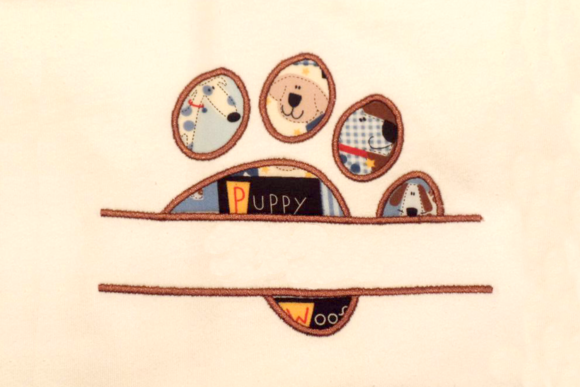
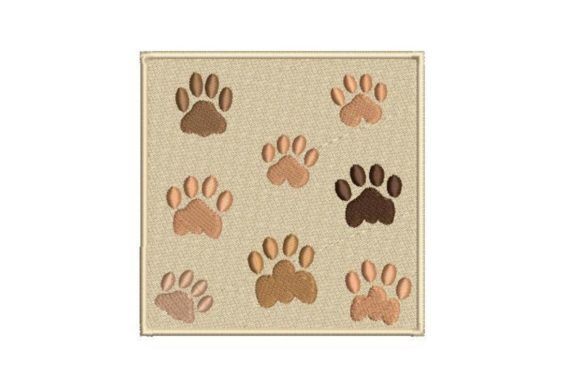
The first impression of Paw Print is one of understated charm. It does not scream for attention with overly complex shading or excessive detail. Instead, it offers a clean, recognizable silhouette that feels both playful and nostalgic. For those of us creating seasonal embroidery collections, this balance is crucial. During the holidays, customers are often looking for items that feel cozy and personal rather than ostentatious. This design fits squarely into the "cute" and "heartwarming" aesthetic, making it an ideal candidate for gifts aimed at animal lovers. While it falls under the broader category of Cats and general pet themes, its simplicity allows it to transcend specific breeds, appealing to dog owners, cat enthusiasts, and anyone who cherishes their furry companions.
Strategic Placement for Holiday Sales
When planning a small shop product line for the holidays, versatility is key. The Paw Print design shines because it scales well across various substrates. I immediately envisioned this pattern on a soft, fleece-lined sweatshirt. Sweatshirt embroidery is a massive trend during the winter months, and a small, centered paw print on the chest or a larger version on the back creates a premium, boutique feel. It avoids the clutter of large graphics, allowing the texture of the fabric to complement the stitches.
Beyond apparel, consider the power of accessories. The product description notes that this pattern is perfect for wallets or cardholders. This is a brilliant insight for Etsy seller strategies. Small leather goods or fabric organizers make excellent stocking stuffers. By adding a subtle Paw Print to a cardholder, you transform a generic item into a personalized gift that speaks directly to the recipient’s identity as an animal lover. Furthermore, this design works exceptionally well on tote bags. A tote bag design featuring this motif can be marketed as a reusable grocery bag for pet owners or a stylish carry-all for vet visits, adding functional value to the aesthetic appeal.
Home Decor and Gift Bundles
The holiday season is also a peak time for home decor updates. I recommend testing this design on kitchen linens. Kitchen towel embroidery is a classic niche, and a set of towels featuring paw prints can be bundled with matching oven mitts or aprons. This creates a cohesive "pet-friendly home" collection that appeals to buyers looking for themed gifts. Additionally, consider using the design on pillow covers. An embroidered pillow cover adds a tactile element that printed fabrics cannot match, increasing the perceived value of the finished product.
For those interested in creating ornaments or patches, the Paw Print is equally effective. An embroidered patch can be sold as a standalone item or pre-applied to denim jackets and backpacks. This modularity allows customers to customize their own gear, which is a significant selling point for younger demographics. When creating holiday embroidery bundles, think about pairing this design with seasonal elements like snowflakes or holly in your marketing mockups, even if the design itself remains purely paw-focused. This helps contextualize the item within the festive shopping mindset.
Technical Considerations for Professional Results
While the aesthetic appeal of Paw Print is strong, successful execution depends on technical precision. As a designer, I must advise checking the specific details of the digital embroidery file before production. The description mentions it comes with multiple formats, but it does not specify exact stitch counts or hoop sizes. Therefore, it is imperative to verify these specifications in your software. Understanding the stitch density is vital, especially if you plan to embroider on stretchy garments like sweatshirts or delicate fabrics like silk scarves.
Stabilizer selection is another critical factor. For thicker items like towels or denim, a cut-away stabilizer might be necessary to prevent puckering, whereas a tear-away could suffice for woven cottons. Always test your thread colors on both light and dark fabrics. A paw print that looks crisp on white linen might lose definition on navy blue if the contrast is not carefully managed. I recommend using metallic thread sparingly; while it can add a festive touch, it may increase breakage rates and complicate the stitching process on high-speed machines.
Be cautious with very small hoop sizes if the design includes any fine details. If the paw print has intricate padding or satin stitch borders, ensure your machine can handle the resolution without thread bunching. Also, consider the fabric texture. Highly textured fabrics like terry cloth can obscure small details, so you may need to adjust the underlay stitches or choose a simpler version of the design if available. Always stitch out a test sample on the actual material you intend to sell. This step builds customer trust and ensures that your commercial embroidery products meet professional standards.
Marketing and Visual Appeal
In the digital marketplace, presentation is everything. When listing Paw Print items, use high-quality printable mockup images that show the design in context. Show the embroidery on a cozy sweater by a fireplace or on a tote bag filled with holiday gifts. These visuals help buyers imagine the product in their own lives. Highlight the emotional tone of the design—emphasize words like "cozy," "loving," and "memorial" if appropriate. Many buyers purchase pet-themed items to honor beloved animals, so approaching the marketing with sensitivity and warmth can significantly boost engagement.
Consistency in your brand imagery is also important. If your shop specializes in rustic or modern styles, ensure the thread colors and fabric choices for the Paw Print align with that aesthetic. For a rustic look, earth tones and natural fibers work well. For a modern vibe, consider monochromatic threads on sleek, minimalist backgrounds. This consistency helps build brand recognition and encourages repeat customers who appreciate your curated style.
Finally, always confirm the licensing terms of the embroidery file. Ensure you have the right to sell finished products commercially. Most designers provide clear guidelines, but it is your responsibility as a business owner to adhere to them. Respecting intellectual property fosters a healthy creative community and protects your shop from legal issues.
In conclusion, the Paw Print design is a robust addition to any holiday collection. Its simplicity allows for wide application, from apparel to home decor, while its emotional resonance drives sales among pet owners. By paying attention to technical details like stabilizer choice and thread contrast, and by marketing the design with thoughtful, contextual imagery, you can create high-value products that stand out in a crowded market. Whether you are an experienced Etsy seller or a newcomer to handmade gift creation, this design offers a reliable pathway to connecting with customers who love their pets as much as they love the holiday season.