Spoon One Line: A Designer’s Review for Kitchen Gifts
As an embroidery designer who has spent countless hours digitizing and testing patterns for client shops, I approach every new machine embroidery design with a critical eye. It is not just about whether the pattern looks good on a screen; it is about how it translates to fabric, how it holds up in the wash, and ultimately, how it resonates with the person receiving the gift. Recently, I had the opportunity to test Spoon One Line, a minimalist yet charming design intended for kitchen textiles. In this review, I will walk you through my experience evaluating this piece for a personalized gift shop, focusing on its aesthetic appeal, practical application, and commercial viability.
First Impressions: Minimalism Meets Warmth
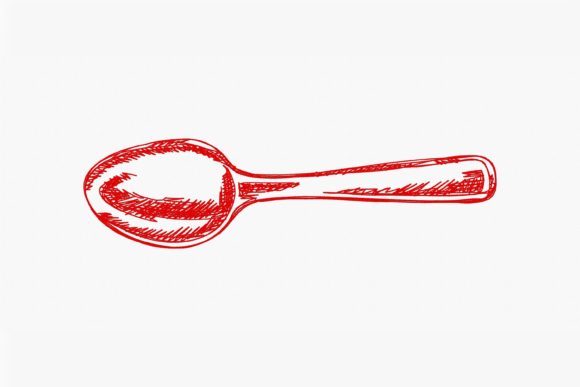
The first thing that struck me about Spoon One Line was its deceptive simplicity. In a market saturated with overly complex floral arrangements and dense monograms, this design offers a breath of fresh air. The "one line" aesthetic suggests a continuous, fluid motion that feels both modern and handmade. It does not scream for attention; instead, it invites a closer look. For a Kitchen themed collection, this subtlety is a major asset. It avoids the clutter that can often make small household items feel busy or dated.
The mood of the design is undeniably sweet and grounded. It evokes the feeling of a slow morning, a home-cooked meal, and the quiet joy of domestic life. This emotional connection is crucial for sellers of personalized gift items. When a customer buys an embroidered towel or apron, they are not just buying a utility item; they are buying a feeling. Spoon One Line captures that sentiment perfectly, making it an excellent choice for customers who appreciate understated elegance over ostentatious decoration.
Versatility Across Product Lines
One of the most important factors for any Etsy seller or small business owner is versatility. A design that only works on one type of fabric limits your inventory potential. I tested Spoon One Line across several common substrates to see where it shined brightest.
- Embroidered Towels: This was the natural home for the design. On a standard waffle-weave or terry cloth towel, the simple lines of the spoon stood out clearly against the texture. It serves as a lovely embellishment that does not overpower the fabric’s absorbency or softness.
- Aprons and Oven Gloves: For these heavier fabrics, the design maintained its integrity. Because it is not overly dense, it does not add unnecessary bulk to areas that need to remain flexible, such as the pockets of an apron or the grip of an oven glove.
- Pillow Covers and Tote Bags: While primarily a kitchen design, I found it worked surprisingly well on canvas tote bags and linen pillow covers. It adds a touch of whimsical charm that appeals to buyers looking for unique home decor beyond just culinary tools.
For those creating baby embroidery items, such as bibs or burp cloths, this design could also be adapted. Its simple shapes are less likely to irritate sensitive skin compared to high-density satin stitches, provided the correct backing is used. However, for wedding gift markets, it might serve better as part of a larger composition, perhaps paired with initials or a date, to elevate the perceived formality.
Technical Considerations for the Maker
While the aesthetic is appealing, the technical execution is where many designs fail. As a professional, I always advise checking the specific details of the digital embroidery file before committing to a large production run. Since the product description notes that this is a simple embroidery, we must consider how "simple" translates to machine mechanics.
Stitch Density and Fabric Texture
The term "one line" suggests a running stitch or a light satin stitch. If the stitch density is too low, the design may look sparse on textured fabrics like thick kitchen towels. Conversely, if the density is too high on delicate fabrics, it can cause puckering. I recommend stitching a test sample on scrap fabric that matches your intended product material. Pay close attention to how the thread interacts with the fabric texture. A contrasting thread color can help define the shape, but ensure the contrast is harmonious rather than jarring.
Hoop Size and Placement
Before loading your machine, confirm the required hoop size. Small designs can sometimes be tricky to hoop accurately, especially on curved surfaces like the cuffs of oven gloves or the corners of tablecloths. Use a printable mockup to visualize the placement on your final product. This step saves time and reduces waste, ensuring that every finished product meets your quality standards.
Stabilizer Selection
Do not underestimate the power of a good stabilizer. For kitchen items that will undergo frequent washing, a cut-away stabilizer is often preferable to tear-away, as it provides long-term support and prevents distortion. This is particularly important for items like blanket embroidery or heavy-duty aprons that will see regular use.
Commercial Viability and Customer Trust
For small shop product creators, the perceived value of a design is directly linked to its finish quality. Spoon One Line has the potential to enhance buyer engagement because it looks intentional and curated. In an era of mass-produced goods, a carefully stitched, simple design signals craftsmanship. It tells the customer that time and care were invested in the item.
When listing this on platforms like Etsy, highlight the handmade product aspect. Use high-quality photography that shows the texture of the stitch against the fabric. Close-up shots of the spoon’s curve can highlight the precision of the custom embroidery. This visual proof builds customer trust and justifies a higher price point compared to printed alternatives.
However, transparency is key. Always check the licensing terms of the embroidery file. Ensure you have the right to use it for commercial embroidery sales. Some designers restrict the number of physical items you can sell, while others offer unlimited commercial licenses. Clarifying this before you start production protects your business from legal issues down the line.
Navigating Potential Challenges
No design is without its challenges. With Spoon One Line, the primary concern is visibility on dark fabrics. Light-colored threads on dark towels can look striking, but they may show dirt more easily. Consider offering a range of thread colors that complement popular kitchen palettes—creams, sage greens, and soft grays—rather than stark whites or blacks.
Additionally, be cautious with stretchy fabrics. If you plan to use this design on baby clothes or knit tote bags, ensure you use appropriate stabilizers to prevent the design from warping after washing. Small details can get lost if the fabric stretches unevenly during the stitching process.
Final Verdict
In conclusion, Spoon One Line is a delightful addition to any Embroidery designer’s library, particularly for those specializing in home and kitchen goods. Its charm lies in its simplicity, making it a versatile choice for a wide range of products from embroidered towel sets to custom aprons. By paying attention to technical details like stabilizer choice, thread contrast, and hoop placement, you can ensure that each item you produce reflects the high quality your customers expect. Whether you are creating a wedding gift for a newlywed couple setting up their first home or a cozy personalized gift for a friend who loves to cook, this design offers a warm, heartfelt touch that elevates the everyday.