Tribal Turtle: A Bold Embroidery Design for Craft Fairs
As an embroidery designer preparing for a busy weekend at the local artisan market, my table needs to tell a story before a customer even touches a product. I am constantly evaluating which machine embroidery design will stop someone in their tracks. Today, I am reviewing the Tribal Turtle, a splendid tribal turtle embroidery that promises to elevate the look of any fabric. In the competitive world of handmade goods, especially within the Reptiles category, standing out is everything. This review focuses on how this specific Embroidery asset performs in real-world selling scenarios, from tote bags to home decor.
First Impressions and Market Appeal
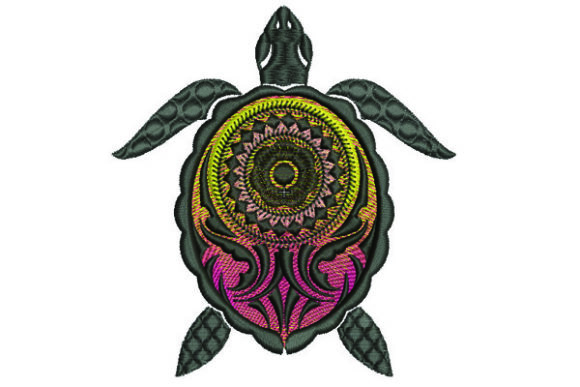
When I first loaded the Tribal Turtle onto my screen, the immediate impression was one of bold, rustic elegance. Unlike cute, cartoonish animal designs that often saturate the market, this piece feels grounded and artistic. The "tribal" descriptor suggests strong lines and geometric patterns, which are incredibly trendy right now for boutique makers. It strikes a balance between modern minimalism and decorative flair. For an Etsy seller or a craft fair vendor, this aesthetic is gold. It appeals to customers looking for something unique rather than mass-produced. The design does not scream "children's room"; instead, it whispers "boho-chic lifestyle," making it versatile enough for summer outfits, home decor, and sophisticated accessories.
Where Tribal Turtle Shines on Products
The true test of any digital embroidery file is its versatility across different substrates. Based on the description stating it can be stitched confidently on home decor and summer outfits, here is how I see Tribal Turtle performing on my craft fair table:
- Tote Bags and Market Bags: This is likely the strongest contender for this design. A large canvas tote with the Tribal Turtle centered on the front becomes an instant statement piece. The geometric nature of tribal art holds up well against the weave of canvas, creating a tote bag design that looks premium and durable.
- Aprons and Tea Towels: For the kitchen section of my booth, this design works beautifully as apron embroidery or tea towel embroidery. On a linen apron, the contrast of the thread against the natural fabric texture creates a high-end, handmade look. It transforms a simple utility item into a giftable handmade product.
- Embroidered Patches: If produced as a standalone patch, the Tribal Turtle could be a best-seller. Patches allow customers to customize their own denim jackets or backpacks. The bold lines ensure the design remains clear even when scaled down slightly for a patch format.
- Caps and Pouches: While possible, these require more caution. The curved surface of a cap can distort intricate tribal lines if the stitch density is too high. However, on a flat fabric pouch, it serves as an excellent focal point.
Practical Production and Selling Points
From a production standpoint, the viability of Tribal Turtle depends on its clarity. A design must be understandable at a glance, especially in a bustling craft fair environment where customers walk by quickly. The strong outlines typical of tribal styles usually translate well to physical stitching, ensuring the image doesn't turn into a muddy blob from a distance. This makes it an ideal craft fair product because it photographs well for online listings too. When creating a printable mockup for an Etsy listing, the high contrast of the design elements should pop against various background colors, driving clicks and engagement.
Furthermore, batch production is key for small shop owners. If the Tribal Turtle runs efficiently without excessive thread breaks or trim jumps, it becomes a reliable revenue stream. It feels repeatable; I can imagine stitching a run of ten tote bags in a morning, knowing each one will look consistent. This consistency builds brand trust. When a customer sees the same high-quality finished product on display as they do in your online photos, it validates the price point.
Critical Considerations for Execution
While the potential is high, there are careful-use notes every embroiderer must consider before committing to a large batch. The description mentions it is a high-quality design, but "high-quality" in a digital file does not always guarantee success on every material without testing.
- Fabric Texture and Density: Tribal designs often rely on solid fill areas. On thick fabrics like towels or heavy denim, you must ensure the stitch density is not so high that it causes puckering. Conversely, on thin summer outfits, the design needs enough coverage to prevent the fabric from showing through awkwardly.
- Thread Contrast: To maintain the "tribal" feel, thread choice is critical. Using low-contrast threads on dark fabric may cause the intricate details to vanish. Always test your thread colors against the specific fabric color you intend to sell.
- Small Details and Scaling: If you plan to use this as a small accent on a pocket or a child's garment, be wary. Tiny details in tribal patterns can get lost or merge together if the design is resized below its recommended minimum. Check the original file specifications before shrinking it.
- Stabilizer Selection: For items like tote bags that will undergo stress, using the right stabilizer is non-negotiable. A cut-away stabilizer might be necessary to support the weight of the design and prevent distortion over time, ensuring the commercial embroidery lasts as long as the product itself.
Maximizing Visual Appeal and Brand Value
Incorporating Tribal Turtle into your inventory does more than just add a product; it enhances your overall booth display strength. A cohesive collection featuring this design on pillows, bags, and apparel creates a visual theme that draws the eye. It signals to buyers that you are a serious creative entrepreneur with a curated vision. The design affects buyer engagement by offering something that feels both timeless and trendy. It elevates the perceived value of a simple cotton tote into a piece of wearable art.
However, a final word of caution regarding licensing is essential. The product description hints at commercial use ("Stitch it confidently..."), but as a professional, you must verify the specific terms. Before selling finished products, confirm the commercial embroidery license included with the design assets. Ensure you are allowed to sell physical goods made with this file, as terms vary between designers.
Ultimately, the Tribal Turtle represents a smart investment for those looking to expand their Reptiles category with something sophisticated. By testing the design on scrap fabric, confirming the hoop size requirements, and creating at least one real mockup, you can confidently bring this stunning design to market. Whether it ends up on a beach towel or a boutique pillow cover, this design has the power to turn a casual browser into a loyal customer.