Happy Emoji: A Designer's Take on Modern Embroidery
As someone who spends hours staring at stitch maps and testing thread palettes, I approach every new machine embroidery design with a mix of curiosity and caution. We've all seen the generic smiley faces that look more like distorted blobs once they hit the fabric. So, when I first loaded the Happy Emoji file into my software to evaluate it for a real-world project, I was looking for clarity, personality, and technical soundness. This isn't just about a cute graphic; it's about whether this embroidery file can hold up under the pressure of a commercial order or a high-stakes personalized gift.
First Impressions: Mood and Visual Personality
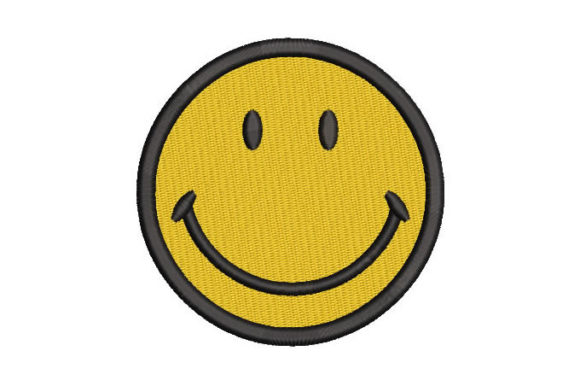
The immediate takeaway from Happy Emoji is its undeniable cheerfulness. In the world of Embroidery targeting Teenagers and young adults, capturing a specific vibe without being childish is a delicate balance. This design nails it. The layout feels open and breathable, avoiding the cluttered look that often plagues small-scale digitizing. The shape is recognizable instantly, which is crucial for an icon as ubiquitous as the emoji.
Visually, the design relies on a clean interplay of satin stitch borders and solid fill stitch areas. The transition between the yellow face and the black features (eyes and mouth) appears sharp in the preview, suggesting good stitch density management. It doesn't feel heavy-handed. For a designer, this means the finished product won't feel like a stiff patch glued onto a garment, but rather an integrated part of the textile. It brings a pop of color and a sense of fun that fits perfectly into current streetwear trends and casual boutique aesthetics.
Real-World Application: The Custom Tote Bag Test
To truly gauge the value of this design, I imagined a specific scenario: a rush order for a local craft fair where a client wanted a series of custom tote bags for a youth community event. The goal was to create something durable, washable, and visually striking. Happy Emoji seemed like the perfect candidate for this tote bag design.
When stitching this onto a canvas tote, the stability of the fabric allows the fill stitch to lay flat without puckering. The result is a crisp, professional-looking graphic that stands out against natural or dyed cotton. Imagine a customer walking past a booth and seeing that bright yellow smile; it triggers an instant emotional connection. It's not just a bag; it's a statement piece. This kind of immediate recognition boosts buyer engagement and can turn a browser into a buyer. For an Etsy seller or small shop owner, that split-second appeal is gold.
Beyond tote bags, I can see this thriving as sweatshirt embroidery. Hoodies and crewnecks are staples for the Teenagers demographic. Placing Happy Emoji on the left chest or as a larger back print adds a playful touch to otherwise plain garments. It transforms a basic wholesale blank into a unique handmade product with perceived higher value.
Technical Considerations and Fabric Challenges
However, enthusiasm must be tempered with technical reality. While Happy Emoji looks great in a digital mockup, real fabrics behave differently. If you are planning to use this on stretchy materials like jersey knits for custom apparel, you must be vigilant about stabilization. The dense areas of the yellow fill could cause distortion if the fabric shifts during stitching. I strongly recommend using a cut-away stabilizer for these projects to ensure the design retains its shape after multiple washes.
Another critical factor is thread colors. The vibrancy of the yellow is key here. On dark fabrics, such as navy or black hoodies, you need high-contrast thread to make the emoji pop. If the yellow is too muted, the design loses its energy. Conversely, on very light fabrics, ensure the black outlining stitches are dense enough to prevent the background fabric from peeking through, which can make the design look unfinished. Always test your thread chart on scrap fabric before committing to the final finished product.
Curved surfaces present another hurdle. If you are attempting this on a cap, the curvature can distort the circular nature of the emoji. The eyes might look uneven if the hooping isn't perfect. For hats, I would advise checking if the design includes a version optimized for curved hoops or considering a slightly smaller size to minimize distortion. Similarly, be cautious with textured fabrics like thick towels or looped Terry cloth; the running stitch details might get lost in the pile, reducing the clarity of the facial features.
Commercial Viability and Brand Consistency
For those running a craft business, consistency is everything. You need designs that perform reliably every single time. Happy Emoji offers a level of professionalism that builds customer trust. When a client receives a product where the stitching is clean, the edges are tight, and the colors are vibrant, they associate that quality with your brand. This design supports that reputation. It's versatile enough to be used for holiday embroidery gifts, birthday presents, or even as part of a cohesive collection of design assets for a clothing line.
It also works exceptionally well for printable mockups. Since the shape is so distinct, it photographs well for online listings. Whether you are selling the physical item or offering customization options, the visual clarity of the emoji translates beautifully to digital screens, helping to drive clicks and sales.
Practical Notes for the Professional Stitcher
Before you start churning out inventory, here are a few essential steps to take with this specific file:
- Check the License: The description mentions it comes with multiple formats, but always verify the licensing terms. Can you sell the finished items? Can you sell the digital file itself? Never assume; read the fine print to protect your business.
- Test Stitch Density: Run a test on a similar weight fabric to your final product. If the yellow fill looks too sparse, you may need to adjust your tension or switch to a higher sheen thread to cover better.
- Hoop Size Verification: Ensure the design fits your available hoop sizes. While it seems compact, confirm the dimensions to avoid last-minute resizing which can alter stitch integrity.
- Contrast Check: View your design in black and white on your screen. If the features disappear, your thread contrast might be too low for certain fabric backgrounds.
- Wash Testing: Stitch a sample, wash it three times, and check for fraying or puckering. This is non-negotiable for items like baby clothes or kitchen towels that will see frequent use.
In conclusion, Happy Emoji is more than just a novelty graphic. It is a functional, well-conceived element that, when handled with care, can elevate a wide range of projects from simple to spectacular. Whether you are decorating a backpack, creating a line of teen apparel, or making a heartfelt gift, this design has the potential to deliver smiles both during the stitching process and long after the product is in the user's hands. Just remember: the difference between a good design and a great product lies in the preparation and the attention to detail you bring to the machine.