Reviewing Green Strong Butterfly for Real Projects
As a designer who has spent countless hours digitizing and stitching out thousands of files, I approach every new machine embroidery design with a mix of curiosity and skepticism. We have all been there: you download a file that looks stunning on the screen, only to find it turns into a puckered mess or a thread-breaking nightmare once it hits the fabric. That is why I took a close look at Green Strong Butterfly. This isn’t just about aesthetics; it is about functionality, durability, and how this piece fits into the broader world of Bugs and nature-inspired Embroidery.
First Impressions: Mood and Visual Personality
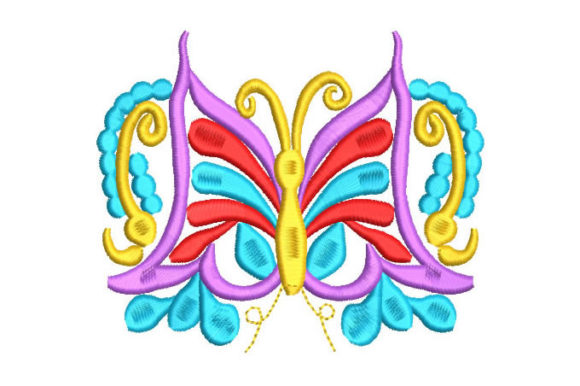
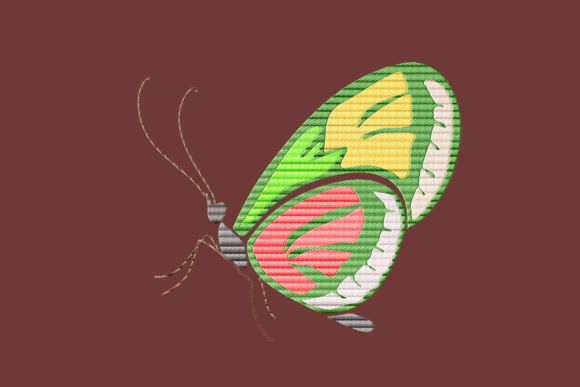
The first thing that strikes you about Green Strong Butterfly is its balance. It manages to be majestic without being overly ornate, which is a difficult line to walk in digital design. The layout suggests a confidence in its lines. It feels suitable for both vintage and modern projects, as the description claims, but I wanted to see if that versatility holds up under the needle. The visual personality is calm yet assertive. It does not scream for attention with chaotic details; instead, it invites the viewer to appreciate the flow of the wings.
For those of us creating design assets for clients, this mood is crucial. A design that is too busy can overwhelm a garment, while one that is too simple can look cheap. Green Strong Butterfly sits comfortably in the middle, offering enough detail to look professional but remaining clean enough to read clearly from a distance. This makes it an excellent candidate for a wide range of applications, from subtle accents on home decor to statement pieces on apparel.
Real-World Application: The Tote Bag Test
To truly evaluate an embroidery file, you have to imagine it in a real-life scenario. I recently worked on a custom order for a local bookstore owner who wanted a series of reusable tote bags for her spring launch. She needed something that felt organic and literary. I considered Green Strong Butterfly for this tote bag design.
The canvas fabric of a tote bag is forgiving, but it also shows every imperfection in stitch tension. I placed the butterfly on the lower right corner, allowing plenty of negative space. The result was gorgeous. The design added a sophisticated accent to the plain cotton canvas. Because the butterfly is described as having multiple embroidery elements, I paid close attention to how the transitions between different stitch types handled the thickness of the canvas. The finished product looked intentional and high-end, exactly what a small shop owner needs to justify a premium price point.
Versatility Across Product Lines
Beyond tote bags, I see this design performing well in several other areas. For sweatshirt embroidery, the design’s scale would work beautifully on the chest or as a larger back piece. The "strong" aspect of the name implies a certain robustness in the digitizing, which is essential for knit fabrics that stretch. If you are an Etsy seller looking to expand your craft business, this could easily become a staple in your lineup of personalized gift options.
It also translates well to baby embroidery. Imagine this on a muslin swaddle or a denim jacket for a toddler. The natural theme appeals to parents who prefer organic, gentle aesthetics. However, when using it for children’s items, always consider the comfort factor. Ensure that any dense areas are backed properly so they do not feel stiff against sensitive skin.
Technical Considerations and Stitching Clarity
Let’s talk about the technical side. While the product description mentions it comes with multiple embroidery formats, it does not specify exact stitch counts or density maps. This is where your experience as a maker comes in. Before committing to a final finished product, you must test the stitch density. High-density areas can cause puckering, especially on thinner fabrics like silk or rayon.
I recommend checking how the satin stitch borders interact with the fill stitch interiors. In many butterfly designs, the transition points are where threads tend to break or jump. If Green Strong Butterfly uses a mix of running stitch for detailing and satin for outlines, you will need to ensure your machine’s tension is perfectly calibrated. A slight imbalance can ruin the crispness of the wing edges.
Another critical factor is the hoop size. Make sure the design fits comfortably within your hoop with adequate margin for stabilization. If you are working on a curved surface, like a cap, you might need to resize the design or use a specialized hooping technique to prevent distortion. Always consult the specific file details provided by the creator to confirm compatibility with your machine.
Fabric Choices and Stabilizer Strategy
The success of any embroidery project hinges on the relationship between the thread, the fabric, and the stabilizer. For Green Strong Butterfly, I found that medium-weight woven cottons yielded the best results. The fabric texture provides enough grip for the stitches to sit flat without sinking in.
When working with dark fabrics, pay attention to your thread colors. The green tones in this design need to pop. If you are stitching on navy or black, consider using a slightly lighter shade of green or adding a white underlay to boost brightness. Conversely, on light fabrics, ensure your bobbin thread matches the top thread to avoid visible backing.
Stabilizer choice is non-negotiable. For stretchy fabrics like jersey or fleece, a cut-away stabilizer is essential to maintain the shape of the butterfly over time. For woven fabrics like linen or cotton, a tear-away might suffice, but if the design has dense fill areas, I still prefer cut-away for long-term durability. This is particularly important for items that will undergo frequent washing, such as kitchen towels or aprons.
Commercial Viability and Brand Consistency
For commercial embroidery professionals and digital product sellers, consistency is key. Green Strong Butterfly offers a level of professionalism that builds customer trust. When a buyer sees a clean, well-stitched design, they perceive higher value. This design can help elevate your brand identity, whether you are selling custom apparel or embroidered patches.
If you are creating printable mockups for your online store, this design photographs well. Its clear lines and distinct shape make it easy to showcase in lifestyle images. This visual appeal can significantly boost buyer engagement on platforms like Etsy or Instagram. Just remember to verify the licensing terms. Most designers allow commercial use for physical products, but restrictions may apply to selling the digital file itself. Always read the license agreement before listing your small shop product.
Final Designer Notes
Before you start stitching, here is my practical checklist for using Green Strong Butterfly:
- Test on scrap fabric: Always run a test stitch-out on the same material you plan to use for the final item.
- Check contrast: View your design in black and white to ensure the details remain visible regardless of color choices.
- Inspect small details: Zoom in on the digital file to check for potential thread breaks in tight corners.
- Confirm hoop size: Ensure your hoop can accommodate the design without re-hooping.
- Use proper stabilizer: Match your stabilizer to the fabric weight and stretch.
- Verify licensing: Confirm you have the right to sell finished items made with this design.
In conclusion, Green Strong Butterfly is a versatile and visually appealing addition to any designer’s library. It bridges the gap between vintage charm and modern simplicity, making it a reliable choice for a variety of handmade products. By paying attention to technical details and fabric choices, you can ensure that this design performs as beautifully in real life as it does on the screen.