Reviewing Close Up of Honeybee for Craft Fairs
As an embroidery designer who has spent countless weekends behind a booth table, I know that not every design translates from the screen to the sales floor. When I first loaded the Close Up of Honeybee machine embroidery design into my software, I was looking for more than just aesthetic appeal. I was looking for a craft fair product that could stop traffic, convert browsers into buyers, and withstand the rigors of batch production. After testing this piece on various textiles, I am ready to share my professional assessment of how this Bugs category item performs in the real world of handmade commerce.
First Impressions: Natural Charm Meets Market Appeal
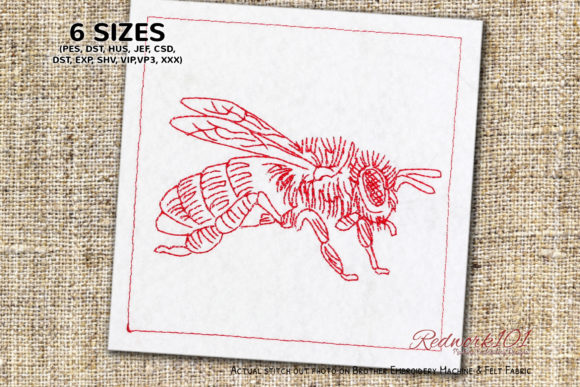
The immediate vibe of Close Up of Honeybee is one of naturally charming accentuation. It does not scream for attention with neon brightness or chaotic lines; instead, it invites the viewer in with detailed, organic realism. For the modern Etsy seller or boutique maker, this fits perfectly into the current demand for cottagecore, farmhouse, and nature-inspired aesthetics. The description notes that this beautifully detailed bee embroidery will add a naturally charming accent to any fabric, and in my experience, that "charm" is exactly what sells at spring and summer markets. It feels soft yet premium, striking a balance between decorative whimsy and elegant simplicity.
What stands out most is the versatility implied by the design. It is not overly cartoonish, which allows it to age well on products intended for adults, such as scarves and home decor, while still retaining enough cuteness to appeal to parents buying for children. This dual appeal is crucial for maximizing your return on investment when purchasing a digital embroidery file.
Product Versatility: From Tote Bags to Tea Towels
The true test of any design is its adaptability. I evaluated Close Up of Honeybee across a range of small shop products to determine where it shines brightest. Here is how it performs on key items:
- Tote Bag Design: This is arguably the strongest application. Placed centrally on a canvas tote, the bee becomes a focal point that elevates a simple bag into a statement accessory. The detail holds up well against the coarse weave of canvas, provided you use the correct stabilizer.
- Apron Embroidery: For kitchen-focused craft fairs, this design adds a touch of warmth. It works beautifully on the bib of a linen or cotton apron, appealing to home cooks who value handmade quality.
- Tea Towel Embroidery: The description mentions trying it on home decor, and tea towels are a high-volume seller. However, caution is needed here regarding fabric texture. Looped terrycloth can swallow small details, so this design is best suited for flat-woven flour sack towels where the stitch definition remains crisp.
- Embroidered Patch: If you offer patches, this design translates well to a satin-edge finish. It creates a durable, iron-on asset that customers can apply to jackets or bags later, expanding your product line without sewing each item individually.
- Caps and Hats: While possible, curved surfaces require careful hooping. The density of the bee’s wings must be checked to ensure it does not pucker the structured front of a cap.
Production Practicality and Batch Efficiency
For the commercial embroidery producer, time is money. A design that looks great but takes forty minutes to stitch is less viable for a busy market season than one that stitches cleanly in fifteen. While the exact stitch count is not provided in the brief, the visual complexity suggests a moderate run time. The note that "The Box Stitch shown in the picture is optional" is a significant advantage. Removing optional border stitches can reduce thread breaks and trim times, allowing for faster throughput during peak production periods.
Photography is another critical factor. Close Up of Honeybee photographs exceptionally well. The contrast between the typical yellow and black thread colors against white or cream fabrics creates a high-impact image for your Etsy listings. When creating a printable mockup for your online store, ensure you highlight the texture of the threads. Buyers of handmade products want to see the tactile quality of the stitch, and this design offers plenty of visual interest in its shading and layering.
Critical Considerations for the Experienced Maker
Before you commit to producing fifty units for your next event, there are technical nuances to address. As an experienced designer, I advise you to consider the following careful-use notes:
- Stitch Density and Fabric Texture: Detailed wings can sometimes result in high stitch density. On thick fabric like denim or heavy canvas, this is rarely an issue. However, on lightweight scarves or silky fabrics, you must use a cut-away stabilizer to prevent distortion. Always test the design on scrap fabric first.
- Thread Contrast: The success of this design relies heavily on thread colors. Ensure your golds, yellows, and blacks have sufficient contrast. If stitching on dark fabric, you may need to adjust underlay stitches or use a lighter base thread to make the bee pop.
- Size and Clarity: If you plan to shrink this design for small pouches or baby clothes, verify that the tiny details do not merge. Designs that lose clarity at smaller sizes can look muddy from a distance, reducing their visual appeal.
- Hoop Size: Confirm the hoop size required for the maximum version of the design. Ensure your machine and your product dimensions (like a narrow towel hem) can accommodate the frame.
Enhancing Brand Consistency and Buyer Engagement
Incorporating Close Up of Honeybee into your lineup can strengthen your brand identity if you position yourself as a nature-loving, artisanal maker. It signals attention to detail and a love for the natural world. When displayed in a booth, group this item with other complementary colors—think sunflower yellows, sage greens, and warm browns. This creates a cohesive visual display that draws the eye and encourages buyers to linger.
Furthermore, this design serves as an excellent conversation starter. Customers often ask about the inspiration behind specific pieces. Having a story ready about why you chose this particular bee design can deepen buyer engagement and justify a higher price point for your finished product. It transforms a simple commodity into a piece of art with intent.
Final Verdict for the Handmade Entrepreneur
Ultimately, Close Up of Honeybee is a strong contender for your seasonal collection. It balances aesthetic beauty with practical application, making it suitable for a wide array of craft fair products. Whether you are an Etsy seller looking to refresh your digital assets or a local vendor stocking up on tote bag designs, this embroidery file offers the flexibility and charm needed to succeed.
Remember to check the specific license terms included with your download to confirm commercial usage rights. Create at least one real mockup on your intended fabric to gauge the final look. With the right stabilizer, thoughtful thread selection, and strategic placement, this design can become a staple in your small shop product lineup, driving both visual appeal and sales throughout the market season.