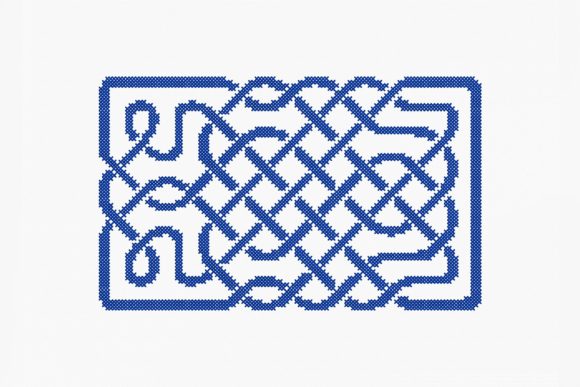
Reviewing the Celtic Knot Cross Stitch Design
As an embroidery designer who spends countless hours digitizing and testing patterns, I approach every new machine embroidery design with a mix of curiosity and caution. When I first loaded the Celtic Knot Cross Stitch into my software, I was immediately struck by its structural elegance. This is not just a pattern; it is a statement piece that bridges the gap between traditional heritage and modern home decor. For those of us running small shops or selling on platforms like Etsy, finding a design that offers high perceived value while remaining stitchable is the holy grail. Today, I am sharing my practical review of this design, specifically focusing on its potential for personalized gift products.
First Impressions: Mood and Aesthetic Appeal
The immediate mood of the Celtic Knot Cross Stitch is one of timeless sophistication. It feels classic rather than trendy, which is a significant advantage for a handmade product intended to last. The interlacing lines create a sense of continuity and connection, making it emotionally appealing for gifts that symbolize eternal bonds, such as weddings or newborn celebrations. Visually, the design sits comfortably in the Intricate Cuts category of complexity, offering enough detail to look expensive without becoming a tangled mess of thread breaks if stitched correctly.
What stands out most is the versatility of its charm. It does not scream "baby" or "wedding" exclusively; instead, it serves as a neutral yet elegant motif that can be adapted through thread colors. A soft pastel palette makes it sweet and suitable for a nursery, while deep emerald greens or royal blues elevate it to a regal status for adult home decor. This adaptability is crucial for Etsy sellers who need to maximize the utility of a single digital embroidery file.
Practical Applications for Personalized Gifts
When planning a personalized gift, the substrate matters as much as the design. I tested the visual potential of this pattern across several common items found in custom embroidery shops.
- Pillow Covers: This is perhaps the ideal application. The square or rectangular nature of many Celtic knots fits perfectly on standard cushion sizes. A pillow cover featuring this design becomes an instant heirloom piece.
- Wedding Keepsakes: Imagine this stitched onto a ring bearer’s pillow or a commemorative handkerchief. The symbolism of the knot aligns beautifully with the concept of marriage.
- Kitchen Textiles: An embroidered towel or apron with this motif adds a touch of rustic elegance. It appeals to customers who love farmhouse or cottage-core aesthetics.
- Nursery Decor: For baby embroidery, scaling the design down for a blanket border or a wall hanging creates a soothing, rhythmic visual element.
For wedding gift designers, the ability to customize this with initials woven into or around the knot could increase the price point significantly. However, one must be careful not to clutter the design. The strength of the Celtic Knot Cross Stitch lies in its clean lines.
Navigating Fabric Texture and Stitch Density
While the design is beautiful, its performance depends heavily on technical execution. The description notes that this Embroidery comes with multiple options, which suggests varying sizes or formats. Before committing to a customer order, you must check the stitch density. High-density designs can cause puckering, especially on lighter fabrics like cotton voile or linen.
I recommend paying close attention to fabric texture. On thick towels, the intricate details might get lost if the pile is too high. In such cases, using a cut-away stabilizer is non-negotiable to support the weight of the threads. Conversely, on stretchy baby clothes, the dense stitching of a Celtic knot could restrict movement or cause discomfort against sensitive skin. Therefore, I advise reserving this design for stable, woven fabrics like canvas, denim, linen, or heavy cotton.
Dark fabric presents another challenge. If you are stitching light-colored threads on black fabric, ensure your underlay stitches are sufficient to prevent the background from showing through the gaps in the knotwork. Always create a printable mockup or test stitch on scrap fabric to verify contrast before starting the finished product.
Commercial Viability and Customer Trust
From a business perspective, the Celtic Knot Cross Stitch enhances the perceived value of your small shop product. Customers often associate complex, symmetrical patterns with higher quality and effort. When they see this level of detail in your product photography, it builds trust in your craftsmanship. It signals that you are not just slapping a logo on a shirt, but creating art.
For commercial embroidery, licensing is paramount. The product description mentions it is a machine embroidery design, but it does not explicitly state the license terms. Before selling any custom embroidery items made with this file, you must confirm commercial licensing rights with the creator. Selling without proper rights can jeopardize your online store accounts.
Technical Checklist for Success
To ensure the best results when using this design, follow these practical steps:
- Check Hoop Size: Verify that the design fits within your machine’s maximum hoop size. If the design is large, you may need a multi-position hoop or a larger machine.
- Test on Scrap Fabric: Never skip this step. Check for thread breaks, nesting, or registration issues.
- Review Small Details: After stitching, inspect the intersections of the knot. Are they clean? Do they look muddy? Adjust tension if necessary.
- Confirm File Formats: Ensure the embroidery file provided is compatible with your specific machine brand (e.g., PES, DST, JEF).
- Consider Washing Instructions: Inform customers that intricate designs may require gentle washing to maintain their shape and vibrancy over time.
Final Thoughts on the Celtic Knot Cross Stitch
In conclusion, the Celtic Knot Cross Stitch is a robust addition to any designer’s library. It offers a blend of historical charm and modern applicability that appeals to a wide demographic. Whether you are creating a cozy blanket embroidery for a new grandchild or a sophisticated tote bag for a bridal party, this design delivers. Its success, however, relies on your attention to detail regarding stabilizers, fabric choice, and thread contrast.
By treating this digital embroidery file with the respect it deserves—testing thoroughly and understanding its limitations—you can create stunning, high-value items that resonate with customers looking for meaningful, lasting gifts. It is a design that invites the viewer to trace the lines with their eyes, offering a moment of calm in a busy world, which is exactly what a great handmade gift should do.