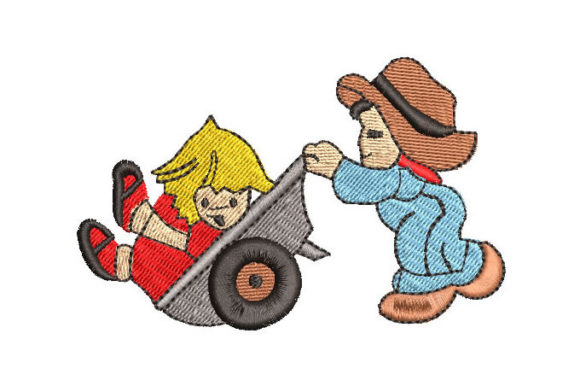
Review: Children Playing in Garden for Craft Fairs
As an embroidery designer who has spent countless weekends behind a booth table, I know that not every design translates from the screen to the sales floor. When I first loaded the Children Playing in Garden machine embroidery design into my software, my immediate reaction was one of warmth. This is not a minimalist, modern abstract piece; it is a narrative design. It tells a story of innocence and outdoor joy. For sellers targeting the Babies category or families looking for handmade gifts, this aesthetic is gold. However, visual appeal is only half the battle. The real question is: does it sell?
First Impressions and Market Fit
The description promises an adorable and playful vibe, and the preview delivers on that promise. The design feels soft, decorative, and distinctly cheerful. In a sea of generic floral patterns and bold typography often seen at craft fairs, a scene-based design like this stands out because it evokes emotion. Customers do not just buy the stitch; they buy the feeling of a sunny afternoon in the garden.
For an Etsy seller or a small shop product creator, this emotional connection is vital. The design fits perfectly into the "cottagecore" or traditional handmade niche. It is not trying to be edgy or industrial. It is sweet, which means your target audience is likely parents, grandparents, and gift-givers looking for something personal and tender. When evaluating this for a weekend craft fair booth, I look for designs that stop people in their tracks. The intricate details of children playing create a focal point that invites closer inspection, giving you the opening to start a conversation with potential buyers.
Product Application and Versatility
The versatility of Children Playing in Garden is its strongest asset for batch production. Because the theme is universal, it works across a wide range of blanks. Here is how I would strategically place this design to maximize sales:
- Tote Bag Design: A canvas tote featuring this scene is a top-tier craft fair product. Parents love using these for diaper bags or library trips. The design acts as a large focal point, making the bag feel custom and premium.
- Apron Embroidery: Think beyond baby items. A child-sized apron with this design is a fantastic gift for little helpers in the kitchen. It also works on adult aprons for gardening enthusiasts, tying the "garden" theme directly to the user's hobby.
- Tea Towel Embroidery: Kitchen textiles are impulse buys. Placing this design on a high-quality linen or cotton tea towel adds a touch of whimsy to a functional item. Ensure the stitch density is appropriate for the fabric texture so the towel remains absorbent and flat.
- Embroidered Patch: If the design scales down well, turning it into an iron-on or sew-on patch allows customers to customize their own jackets or backpacks. This is a low-cost, high-margin small shop product.
- Pillow Covers and Market Bags: These items benefit from the decorative nature of the design. A pillow cover with this scene becomes a nursery staple, while a market bag appeals to eco-conscious shoppers who appreciate handmade quality.
Production Realities and Technical Considerations
While the aesthetic is charming, practical production issues can make or break your profit margin. Since the product description notes that this digital embroidery file comes with multiple embroidery file formats, you have the flexibility to choose the right size for your hoop size. However, you must verify the specifics before you start stitching.
Stitch Density and Fabric Texture
Scene-based designs often have varying stitch densities. The background elements might be lighter, while the characters could be denser. If you are stitching on textured towels or thick canvas for a tote bag, you need to ensure the design does not pucker. Use the right stabilizer. For lighter fabrics like those used in baby clothes, a cut-away stabilizer might be necessary to support the weight of the threads without distorting the garment.
Thread Colors and Contrast
The success of Children Playing in Garden relies heavily on thread colors. Because it is a multi-element design, poor color choices can make the image look muddy. Test the design on scrap fabric before committing to your final inventory. Compare fabric colors carefully; a dark fabric may require satin stitch borders or underlay adjustments to ensure the design pops. If the details are too fine, they may get lost on dark backgrounds.
Scaling and Clarity
One common mistake is shrinking a detailed design too much. If you plan to use this as a small accent on a cap or a pocket, check if the tiny details remain clear. Curved cap surfaces can distort complex scenes. If the design loses clarity at smaller sizes, stick to larger surfaces like pillow covers or tote bags where the intricacy can be appreciated.
Boosting Visual Appeal and Brand Consistency
In a crowded marketplace, your booth display strength depends on cohesion. Using Children Playing in Garden across a collection—such as matching tote bags, bibs, and wall hangings—creates a strong brand identity. It shows buyers that you are a thoughtful designer, not just someone randomizing files.
For online listings, this design photographs beautifully. Create at least one real mockup showing the texture of the stitches. High-quality images of the finished product help Etsy sellers convert browsers into buyers. Use printable mockup templates to show how the design looks on different items, but always supplement these with photos of the actual embroidered item to prove the handmade quality.
Final Designer Notes for Commercial Success
Before you list this as a commercial embroidery product, there are critical steps to take. First, confirm commercial licensing. Just because you bought the digital embroidery file does not automatically mean you can sell the finished product. Check the terms provided by the designer. Second, inspect the stitch count. While not provided in the brief description, knowing the stitch count helps you calculate production time and pricing.
Finally, consider the seasonality. While "garden" themes sell well in spring and summer, the emotional warmth of children playing can extend into the holiday gift season. Position it as a heartfelt gift for new babies or young children. By treating Children Playing in Garden not just as a file, but as a core component of your product line, you elevate it from a simple stitch pattern to a best-selling handmade product. Focus on the quality of your finish, the clarity of your presentation, and the emotional resonance of the design, and you will find that this adorable embroidery truly brightens up both the fabric and your sales ledger.